
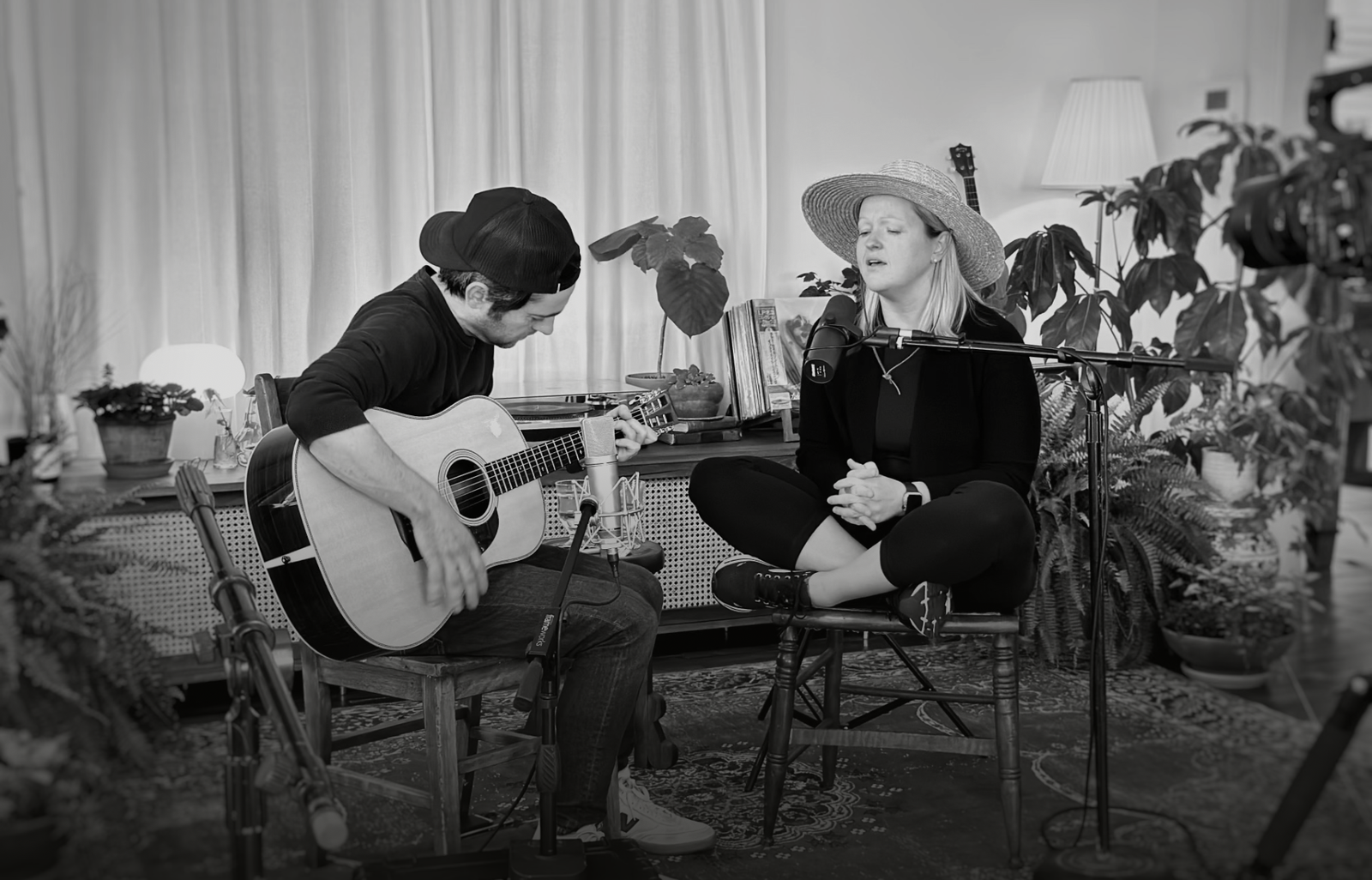
Heavy Weighs the King’s Wednesday, Aug. 26 show at The Big Apple is a homecoming of sorts, but not necessarily a reunion.
Brian Whitman and Carmen Keigans have known each other since they were six years old, growing up together in Orangeburg before landing in college in Columbia and becoming part of Columbia’s music scene in the early 2000s. Their band I Nine eventually moved to Atlanta, worked with producer-turned-YouTube phenom Rick Beato, landed in a major-label bidding war, signed with J Records, and appeared on the “Elizabethtown” soundtrack before the label run ended around 2008. A whirlwind run that fueled dreams of music stardom that never quite panned out.
The experience left both of them ready to step away from music for a while.
“It really did leave a bad taste in your mouth, having somebody dictate when you wake up, what you wear, what you say,” Keigans says.
The pair gradually started making music together again around 2017, first experimenting under the name Siren and Sir before settling on Heavy Weighs the King. The name itself reaches back to those early I Nine days years before. Whitman says the band had once wanted to use it as an album title, partly as a reference to the label pressure coming down from above.
Those forces look different now.
“There’s still these centralized places of power that are a little bit more obfuscated than before,” Whitman says, pointing to algorithms and AI as part of the modern landscape musicians have to navigate.
That tension runs through Avidyā, Heavy Weighs the King’s first full-length album, released earlier this year after years of writing and recording. Whitman estimates they worked through dozens of songs along the way, partnering with Whitman’s old Tent Revival bandmate Owen Beverly and a rotating cast of musicians helping shape the final record.
Instead of simply handing the album over to Spotify and chasing playlists, Whitman built Ollo.fm, a direct-to-fan streaming platform where artists can sell music, keep more of the revenue, and maintain relationships with listeners.
That independent approach extends to Wednesday’s show. When Whitman started looking for a Columbia venue, he thought back to Three Rivers Music Festival around 2002, when he remembers seeing a show at The Big Apple. More than two decades later, with few small independent rooms left in Columbia, he reached out about staging the show there.
The choice also puts the band inside one of Columbia’s more unusual historic spaces. Built in 1916 as the House of Peace synagogue, the building later became the Big Apple Night Club, where Black dancers in the 1930s helped develop the dance that took the club’s name and eventually spread across the country. The building was later restored and moved to its current home on Hampton Street.
The band will be joined by Kalen Nash, and Keigans says the show will lean into the same idea behind the record itself: real people making music together, without trying to sand off every rough edge.
As AI-generated music becomes easier to make and major concerts grow increasingly programmed, Keigans still sees something irreplaceable in the live experience.
“There’s nothing like being in a room with live musicians,” she says.